RESEARCH
-
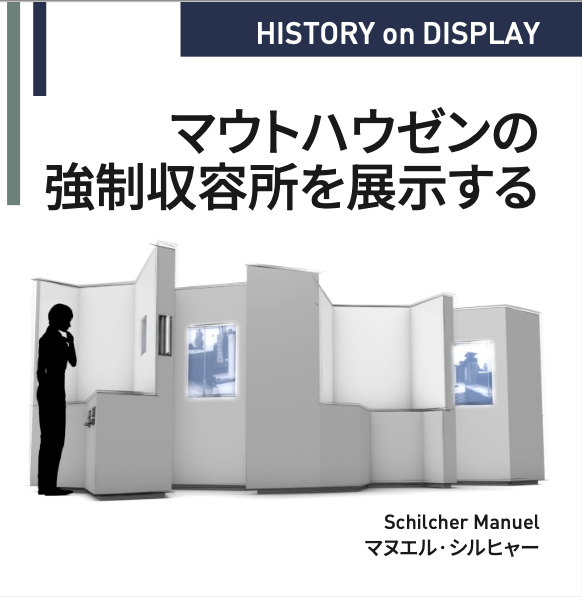
History on Display | Mauthausen Memorial
2025 | This catalogue project focuses on the cultural translation of the development of the memorial exhibition in Mauthausen. Having served as the executive general planner for the 2015 exhibition, I intend to present this project as a ‘best practice’ example for a Japanese audience. This initiative will be carried out with the already obtained…
-
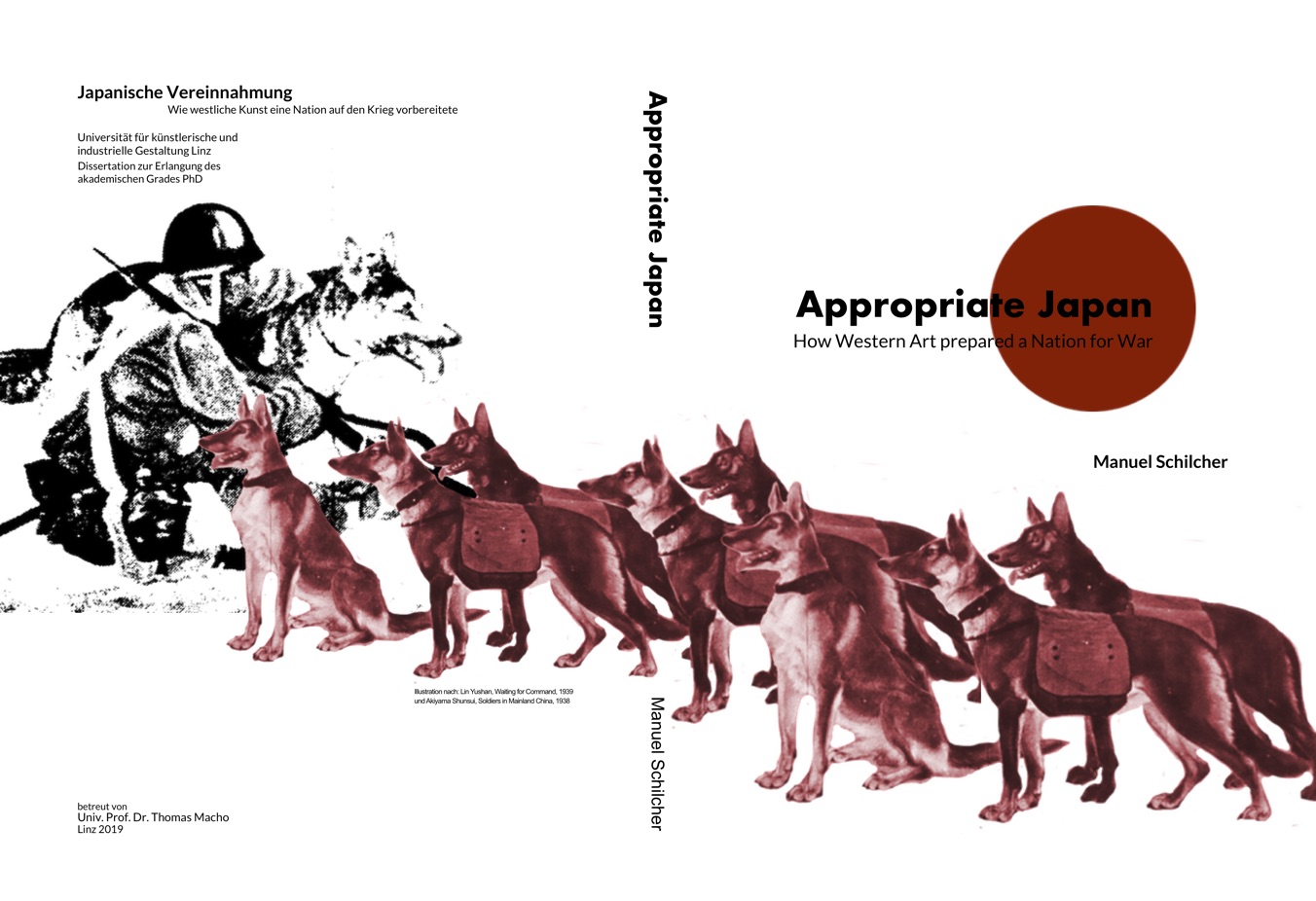
Appropriate Japan | How Western Art prepared a Nation for War
The book Appropriate Japan focuses on the influence of Western art and culture on the construction of a Japanese national identity after the Meiji Restoration and how Japan transferred these values to its colonies of Taiwan, Korea, and Manchuria. As the concept of culture developed in Europe in the 18th century, it did so in…
-
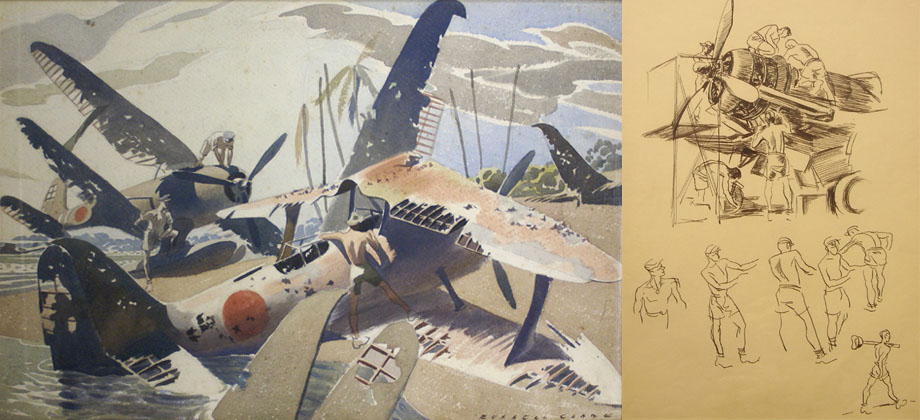
Japanese Artists at War
2019 published in XING Kulturmagazin | Being utilised to further the pro-militarist and pro-emperor narrative of the war, works of art with a different attitude were used by the army to emphasize a lofty image of the imperial forces to its Asian neighbours. Opposing the depiction of hardships, paintings which described the defeat of Western…
-
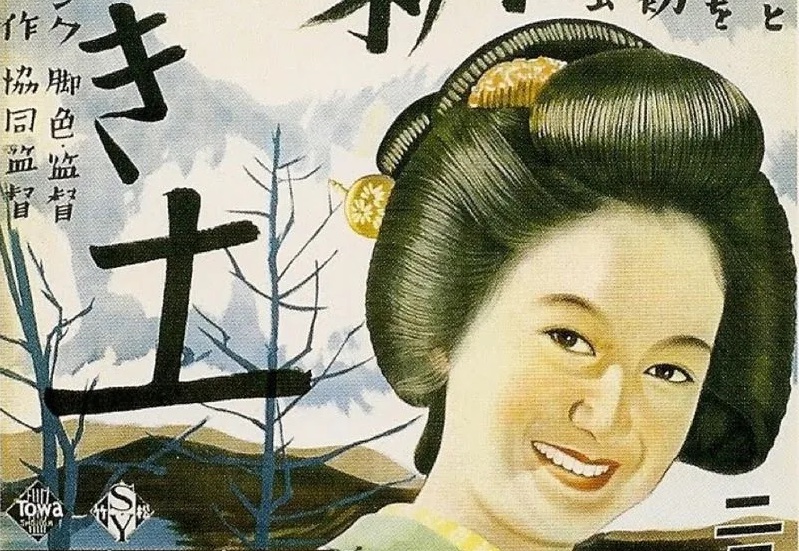
Shaping Japanese Fascism by European Cultural Transfer
XING Kulturmagazin Volume12 | Issue 3 | A broadening and deepening of knowledge about Japan took place in Germany until 1933 only to a very limited extent. The German mass media propagated a static but schizophrenic image of Japan as a country of juxtaposition between West and East, familiar and exotic, integration and isolation, etc, which…
-
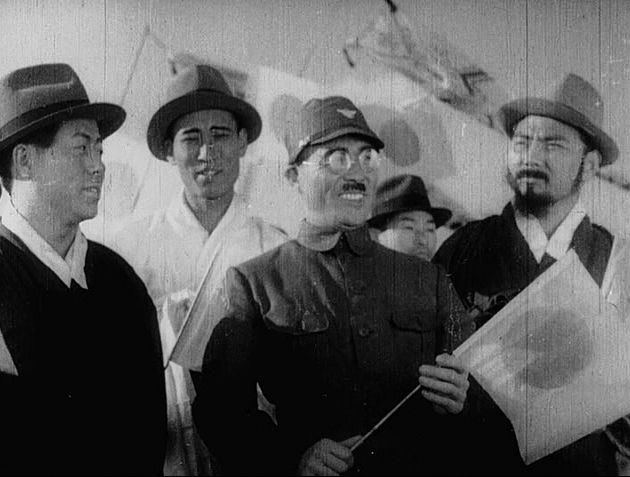
Colonial Mimicry | Korea
Mapping | The first phase after the enforced opening of Japan was determined by the endeavours to avoid colonisa tion, get rid of the unequal treaties, gain economic independency and develop a cultural identity as proof of Japan’s affiliation to the canon of Western countries. Within this scenario, Japan needed an Other that was definitely…
-
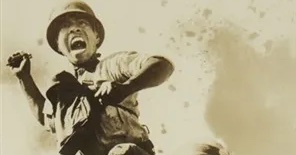
Appropriate Fascism
Mapping | Text | The concept of ‘culturalism’ emerged in Japan in the 1910s as a central school of thought covering diverse contexts ranging from Immanuel Kant to Bertrand Russell. Not only a complex ideology in terms of its cog nitive aspects it became an ideology of Japan’s modern nationstate and the core of an…
-
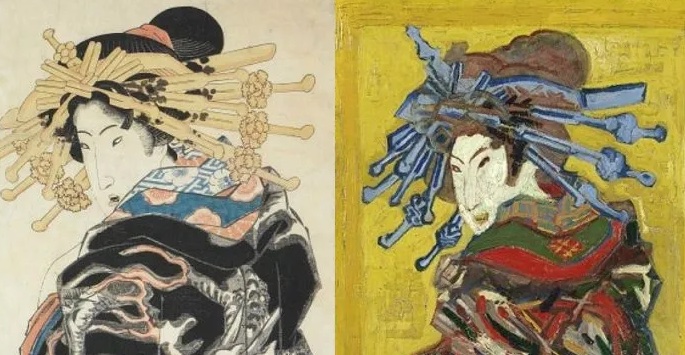
Adapted Modernism
Mapping | Text |The concept of culture developed in Europe in the 18th century in the context of an expansion of world knowledge and the possibility of historical and regional comparisons. Since the end of the 18th century it has been a term for the selfdescription of Europe and its selfreflexion. One origin of European…
-
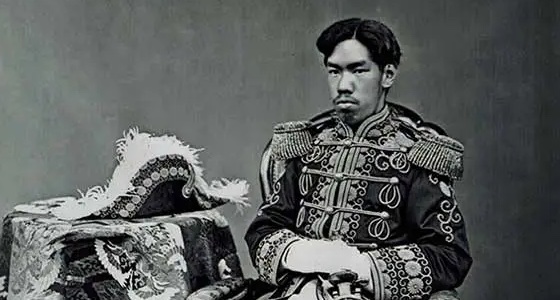
Invented Tradition
Mapping | Part one ‘Invented Tradition’ tells about constructing an own historic narrative by separating two types of Japanese ‘tradition’, those which emphasised the differences with China (kokugaku) and those which identified with it (kangaku). Before the transformation from a feudalist system to the revolutionary breakthrough to modernity, in many ways very similar to those…
-
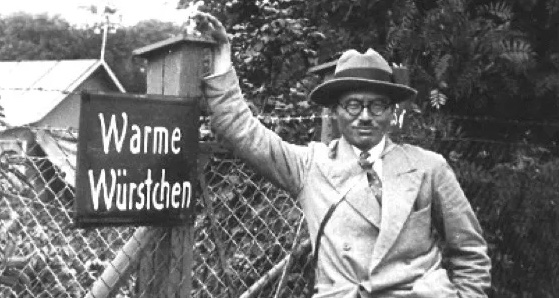
The Acquisition of Public Space in Japan
SYP Tokyo 2017 | Lecture about the history of public space in Japan and how it was used and shaped by artists. Public Space as Education :: Western painting methods were introduced in Japan as early as the sixteenth century, but the cultural framework of Western art was suppressed until the late nineteenth century. Representative…
-
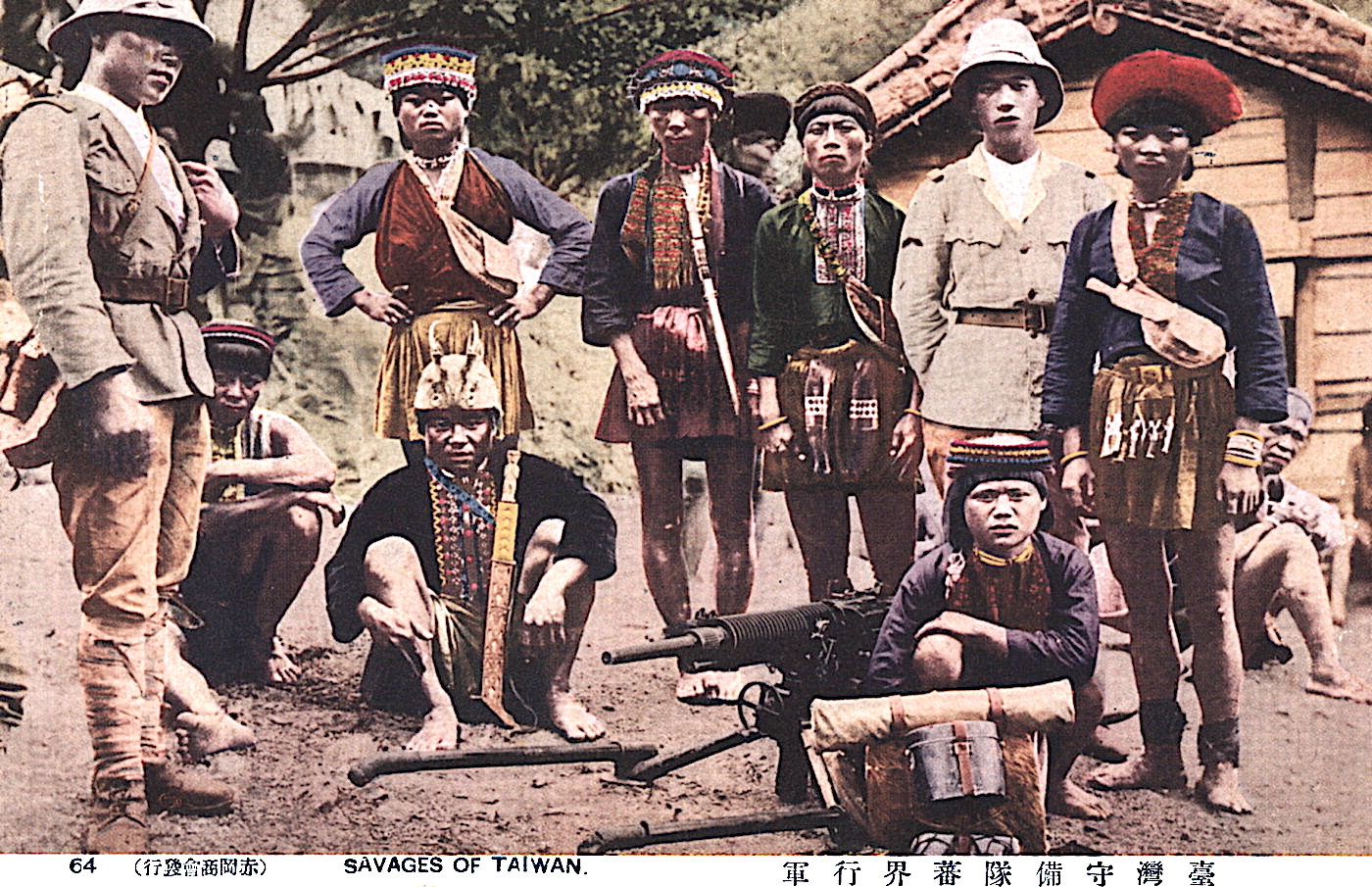
Dress up the Nation: Taiwan under Japanese Rule
Mapping | Since the late nineteenth century the Japanese government actively enforced the idea of a somehow controlled mobility to educate its people by promoting the ideology to launch themselves abroad, as Tokutomi Sohō (1863-1957) stated in an article produced in 1890 entitled “We Must Sally Forth into the World” Kaigai ni yuhi subeshi.